
Burial Insurance for Veterans: VA Benefits, Allowances, and Final Expense Planning
If you’ve served in the military, you’ve earned access to helpful VA programs that can reduce funeral and burial costs for your family. But those programs don’t always cover everything, and reimbursement rules can be confusing during a stressful time. This guide explains what the VA provides, who may be eligible, how to apply for burial support, and how a small life insurance policy can help close the gap without overcomplicating your plan.

Military funeral honors in action—service members present the burial flag during funeral services, a meaningful tribute that helps veterans and their families honor a life of service.
VA burial benefits: what the Department of Veterans Affairs provides
The department of veterans affairs provides several forms of help after a Veteran passes, including reimbursement in certain situations and options for interment. These burial benefits vary based on the Veteran’s circumstances, where the death occurred, and whether the death was service-connected. In many cases, families are surprised to learn that benefits may be limited to specific items or reimbursements rather than an “everything covered” package.
The VA also coordinates or supports memorial items and recognition, and many families work with a veterans service organization to understand what’s available and how to submit the right documentation.
Who may be eligible: veterans qualify and family rules
Not every Veteran qualifies for every program, so it’s helpful to understand eligibility basics early. A common starting point is discharge status and service history, and an eligible veteran is often determined through service records.
A surviving spouse may also qualify for certain interment options, and in many cases family members can be included in planning when the Veteran is interred in a federal setting. The key is to confirm what the VA recognizes for your specific situation and make sure the family has proof of military service ready (typically discharge paperwork).
If you’re unsure, don’t guess—find out how to get clarity from the us department of veterans affairs directly or through a trusted service organization.

An eligible veteran may qualify for burial in a national cemetery, where many core burial services are provided—helping families reduce overall burial costs while honoring a life of service.
Burial in a national cemetery: what’s included and what isn’t
For many families, burial in a national cemetery can reduce the biggest line items. National cemeteries may include the gravesite, basic markers, and perpetual care (depending on the setting and rules). If you are choosing a specific va national cemetery, confirm scheduling and requirements in advance so your family isn’t forced into last-minute decisions.
At the same time, even when interment is handled, families can still face costs for transportation, service upgrades, and other arrangements. That’s where planning matters—because burial costs often involve multiple vendors and timelines.
VA burial allowance and plot or interment allowance: how payments work
A burial allowance is a reimbursement the VA may provide in certain situations. Some families may also qualify for a plot or interment allowance or interment allowance depending on circumstances and where interment occurs.
This matters because the VA will pay according to specific rules, and families often pay expenses first and then seek reimbursement. Those reimbursements may go toward burial and funeral expenses, but they may not cover everything a family chooses for services and logistics.
It’s also common to see references to a veterans burial allowance when families are comparing what the program might reimburse versus what they expect to spend.
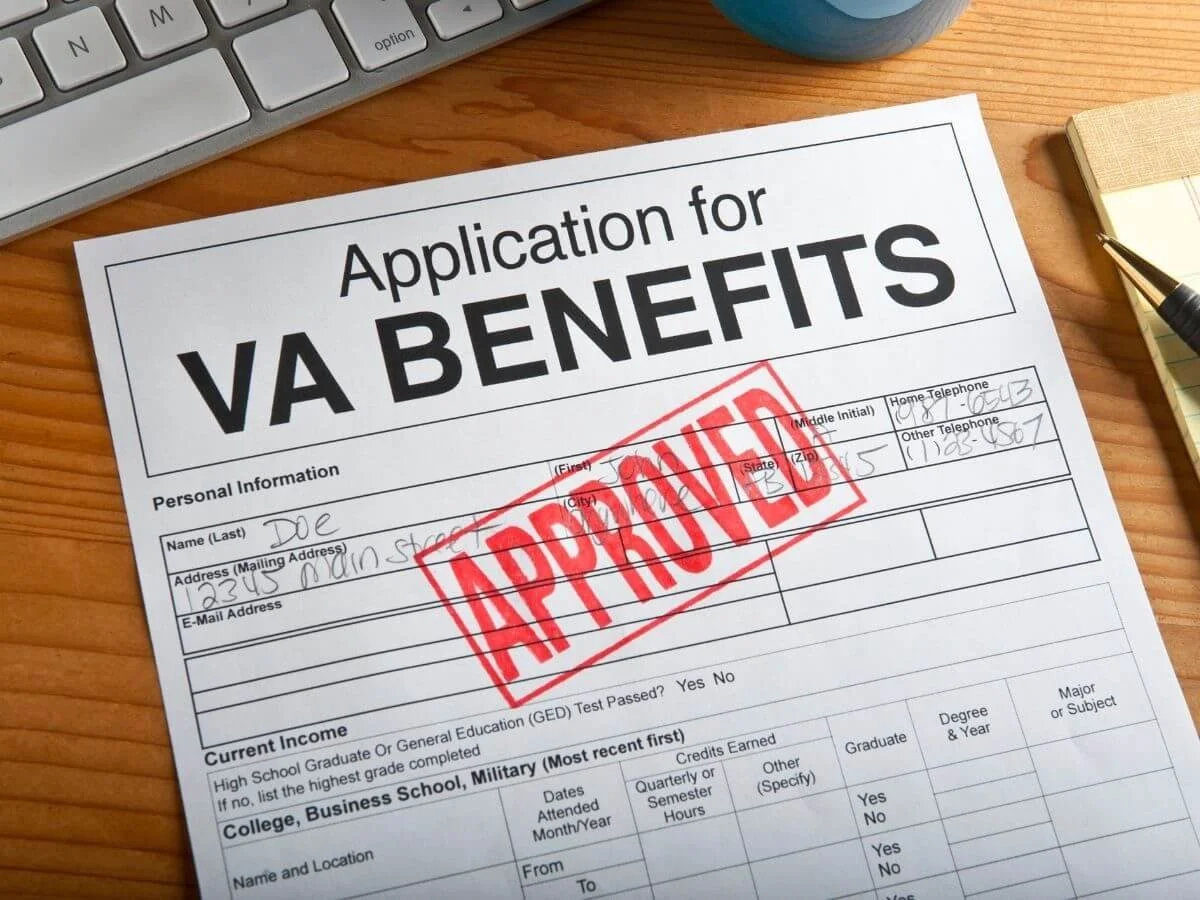
When it’s time to apply for burial benefits, having proof of military service, receipts from the funeral home, and help from a funeral director can make the VA paperwork process much smoother for your family.
How to apply for burial: documents, timing, and proof of military service
When the Veteran passes, take a breath and build a simple checklist. To apply for burial, families typically need service documentation, receipts, and proof of payment. Keep a copy of the discharge paperwork available and make sure at least one trusted family member knows where it is. You’ll also want itemized invoices from the funeral home and any cemetery or transport providers.
Working with a funeral director helps because they handle timelines and can help coordinate required documentation. In addition, a spouse or adult child often becomes the point person for gathering receipts and completing forms.
One important note: benefits before the time of need are easier to organize than benefits requested in a rush—so even a short planning folder makes a big difference.
Military funeral honors, burial flag, and funeral services coordination
Families often want recognition of service, and military funeral honors are a major part of that. Your funeral director can coordinate the request and timing, but the family should be ready to provide service documentation quickly.
In many cases, a burial flag is requested and presented as part of the ceremony, and appropriate funeral services can be arranged whether the family chooses a simple memorial or something more formal. These steps are meaningful, but they still require coordination—so write down who will make calls and which documents are needed.

Image Caption: Some situations—like a veteran died while traveling or uncommon arrangements such as burial at sea—can change what the VA may reimburse, so keeping paperwork organized is key when you apply for benefits.
Special situations: travel, service-connected cases, and uncommon arrangements
This is the section families tend to overlook until it’s too late—so it’s worth reading now.
If a veteran died while traveling, documentation of location, transport, and invoices becomes crucial for any request tied to reimbursement.
For service-connected cases, you may see language like burial allowance for a service-connected situation or allowance for a service-connected death when families review eligibility details.
In some non-service-connected scenarios, you may run into a reference like 978 plot-interment allowance in summaries or program descriptions.
Some benefits are sometimes described as being called “veterans death benefits” in general conversation, but the rules still depend on documentation and eligibility.
There are rare cases involving burial at sea, which can change how paperwork and vendor receipts are handled.
Some families ask how benefits interact with military retirement or disability pay, and others want to understand how the va pension may relate to household planning after the Veteran’s passing.
In certain circumstances, you may see wording tied to eligibility such as died while eligible for compensation—again, documentation is key.
These are examples of why a simple plan matters: certain benefits exist, but they only work smoothly when the paperwork is organized.
Insurance options: final expense insurance for veterans, whole life insurance, and additional insurance
Even with VA support, families often discover that burial and funeral costs include gaps—transportation, scheduling fees, upgraded services, and other practical expenses. This is where small policies can help.
There are several insurance options to consider:
final expense insurance designed to cover end-of-life costs with a smaller face amount
whole life insurance that builds modest cash value and stays in force as long as premiums are paid
basic life insurance policies if the goal is broader protection beyond final costs

A burial insurance policy can provide fast funds for burial expenses and other funeral costs, giving veterans and their families added peace of mind beyond what the VA may cover.
Many life insurance companies offer simplified plans. The key is choosing coverage that matches your budget and goals. For some households, final expense coverage is enough; for others, additional insurance is the safer approach if the family expects travel, multiple ceremonies, or higher costs.
This is also where the phrase insurance for veterans comes up: it simply means choosing coverage that fits common veteran household needs (age, budget, and timeline), not that the plan must be issued by a government program.
Choosing a burial insurance policy: costs, agents, and a simple funeral planning checklist
A burial insurance policy can be a practical tool when you want fast access to funds for burial expenses and other immediate costs. Many families use a policy’s death benefit for invoices and deposits while they sort through reimbursements and family coordination.
When comparing insurance policies, focus on:
whether premiums are level and affordable
whether the plan pays immediately or has a graded structure
whether the benefit amount realistically covers your expected funeral costs
To avoid confusion, work with a nationally licensed life insurance expert or an experienced insurance agent who can explain tradeoffs and underwriting clearly. A reputable insurance agency should be transparent about options and pricing, and you should expect guidance from licensed insurance agents who can compare plans.
Here’s a simple funeral planning checklist you can do in one sitting:
Put your discharge paperwork where your family can access it.
Write down who to call first (family + funeral director).
Decide whether you want interment in a federal setting or locally.
Estimate a reasonable cash buffer so your family isn’t waiting on reimbursements.
Keep policy info and contact numbers together.
Many veterans may qualify for assistance, and veterans may be eligible for reimbursements depending on circumstances—but benefits may not cover every bill you want covered. That’s why combining VA support with smart, modest coverage is often the most practical solution for veterans and their families.
Bullet Summary: What to remember
The VA provides programs that can help, but rules vary by situation and documentation.
Eligibility matters—keep proof of military service accessible.
National cemeteries (including a specific va national cemetery) may reduce the biggest interment expenses.
A burial allowance and plot or interment allowance may reimburse some costs, but timing and receipts are critical.
Military funeral honors and a burial flag require coordination, usually through the funeral director.
A small policy can provide cash quickly for funeral costs, deposits, and logistics while reimbursements are processed.
A simple plan today reduces stress later—especially for a surviving spouse and family.